
Pickett County Arrest Warrants Explained
An arrest warrant is a written court order. It authorizes an officer to arrest the person the order names or describes. Tennessee law ties issuance to a sworn complaint and a probable-cause review by a magistrate or another authorized judicial officer, and the warrant itself opens a court case. For a Pickett County matter, the Circuit Court Clerk can tell you which division holds the file and whether the record is public. The Sheriff's office handles local execution and custody routing, subject to what it may lawfully disclose.
Pickett County Probable Cause Starts With Complaint
The statute spells out the paperwork. Tennessee Code §§ 40-6-201, 40-6-205, and 40-6-208 cover the written order and the complaint or affidavit behind it. The code calls for the defendant, the offense, the county, the issuing judicial officer, and the probable-cause basis. Supporting papers may carry extra details. The Tennessee Code volume holds the statewide text. Pickett County records stay with the court that issued the order.
Inside a Pickett County Arrest Warrant
Tennessee Rule of Criminal Procedure 4 sets out what an arrest warrant must say and command. A Pickett County file may hold more papers than the order itself. Protected details can be withheld or redacted.
| Number | Pickett format not published |
|---|---|
| Person | Name or adequate description of the person to be arrested. |
| Offense | Charge stated in the order or linked complaint. |
| County and officer | Issuing county and authorized magistrate or judge. |
| Probable cause | Complaint or affidavit that supports the order, subject to access limits. |
| Service return | May show the officer, date, and result of execution. |
Pickett County Arrest Warrant Fields Under Rule
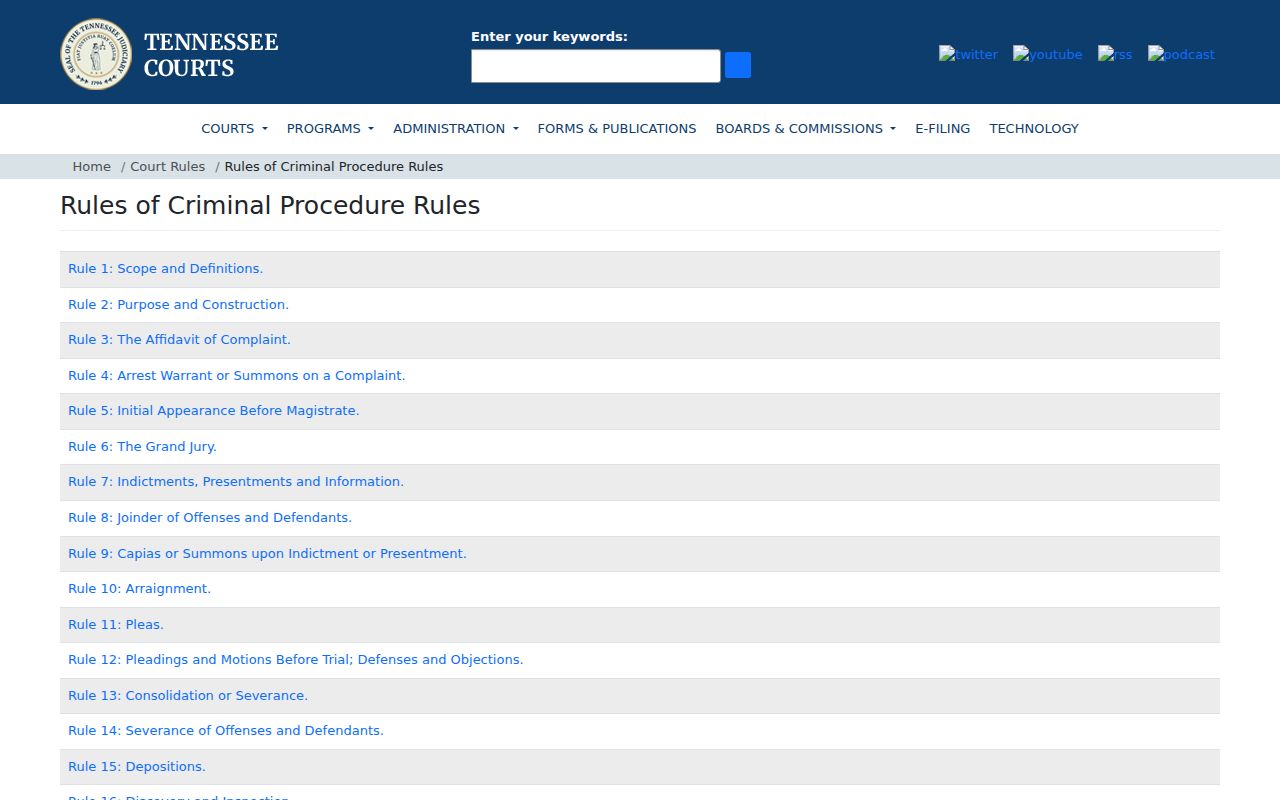
Rule 4 also governs service. An authorized officer must bring the arrested person before the proper magistrate and, when practicable, show the warrant and explain the charge. Under the rule's procedures, a warrant can be executed outside the issuing county. The AOC criminal-rules index links the full current rule set, which states these requirements rather than any Pickett County warrant record.
For case status, rely on the Pickett County issuing clerk. For advice on a particular order, talk to a lawyer.
Serving Arrest Warrants in Pickett County
The Pickett County Sheriff is the local law-enforcement contact on record. Tennessee law still lets other officers execute process in the situations the rules describe. Never assume only the county Sheriff can serve an arrest warrant. Ask the court clerk first about the case, then the Sheriff separately about execution or custody.
Pickett County Sheriff
One Courthouse Square, Suite 300
Byrdstown, TN 38549
(931) 864-3210
Pickett County Officers May Execute Warrants
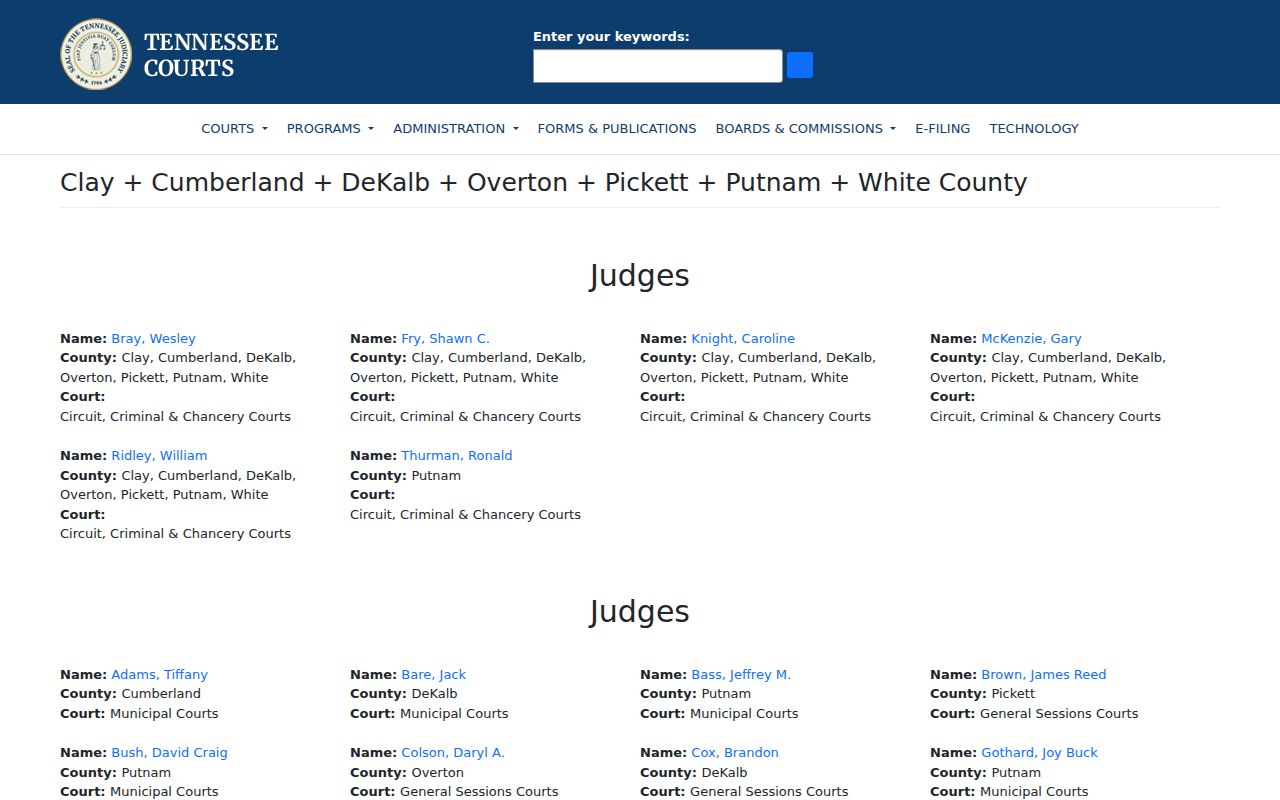
Pickett County sits in the 13th Judicial District. The AOC judicial-district page maps the county and its court assignments, which helps you trace the court path. It shows no live arrest-warrant inventory and will not confirm whether an officer served a given order. Check the AOC district listing for current judicial assignments and official routing.
Call the clerk before visiting because the district page does not state counter hours.
Comparing Arrest, Summons, and Bench Warrants
One case can hold different kinds of process. Read the title and the court command on the paper, then ask the Pickett County clerk which office holds the file. A summons orders an appearance. An arrest warrant directs an officer to take the person into custody, while a bench warrant usually follows a missed court event.
| Process | Purpose | Common route |
|---|---|---|
| Arrest warrant | Arrest based on a complaint and probable cause | Issuing court and authorized officer |
| Summons | Order to appear without immediate arrest | Court clerk and serving officer |
| Bench warrant | Court response to a missed appearance or direction | Court that set the event |
Pickett County Warrant Access Can Be Limited
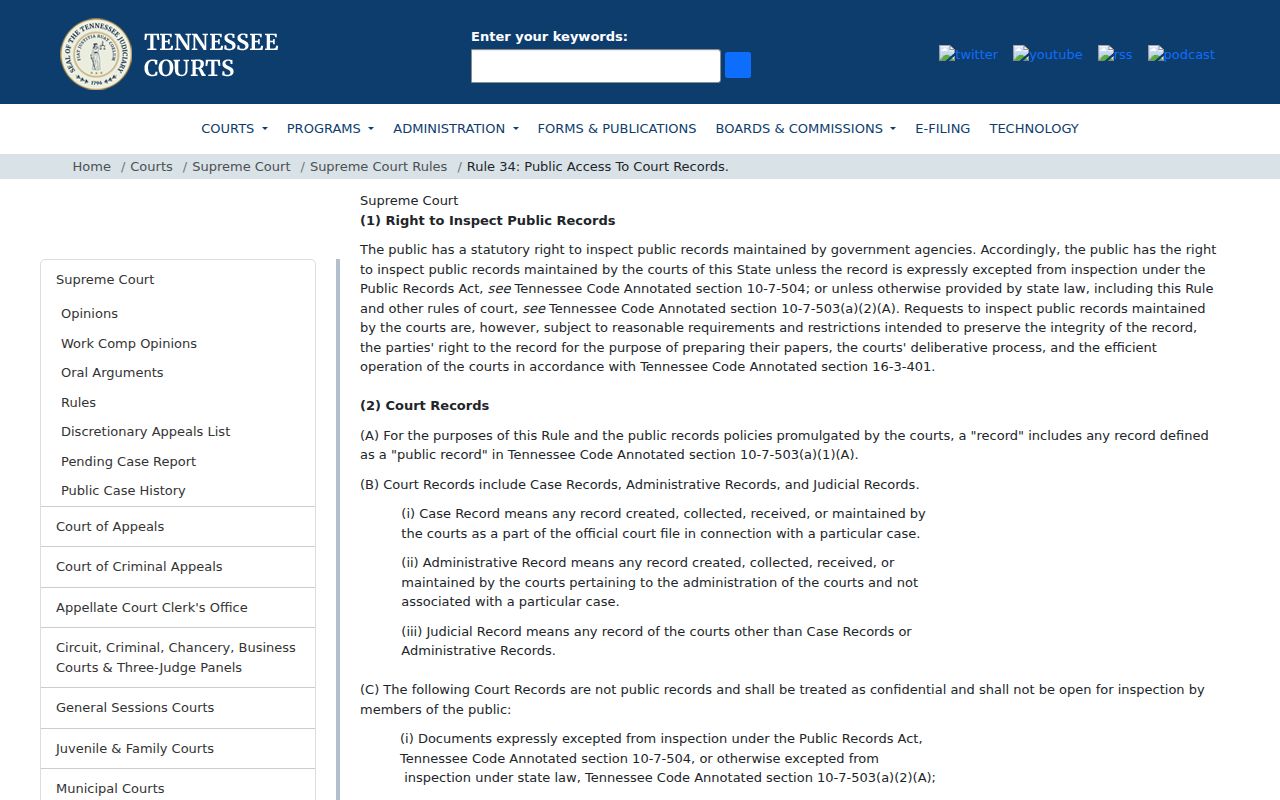
Access has limits. Tennessee Supreme Court Rule 34 presumes court records are open, but statutory rules, sealing, and protective orders can override that. A complaint or affidavit may hold victim, juvenile, personal-identifier, or investigation details not open to the public. Ask the clerk about the specific record and any redactions. The Rule 34 public-access page lays out the framework as legal guidance, not a Pickett County warrant search.
Juvenile records have separate confidentiality protections under Tennessee Code § 37-1-153.
If There's an Arrest Warrant for You
Think an order names you? Call the issuing court clerk in Pickett County. Ask whether the warrant remains active, what charge or case is listed, and whether counsel should appear. A lawyer can explain a motion, a court appearance, surrender, or bond. Request any required document from the clerk. If the court recalls the order, get written confirmation.
Do not rely on a third-party result or an old notice. Use the court's current instructions and speak with counsel before arranging a surrender or payment.
The Pickett County warrant records overview sets out the broader court and Sheriff contacts.
Pickett County Warrant Is Not a Conviction
A warrant record may be recalled, replaced, sealed, or resolved later. Confirm status with the issuing clerk on the date you need it. Keep private details from a court file to yourself. AOC's blank forms and rules explain process terms without exposing anyone's record. The current answer for an individual Pickett County case belongs to the responsible court.